
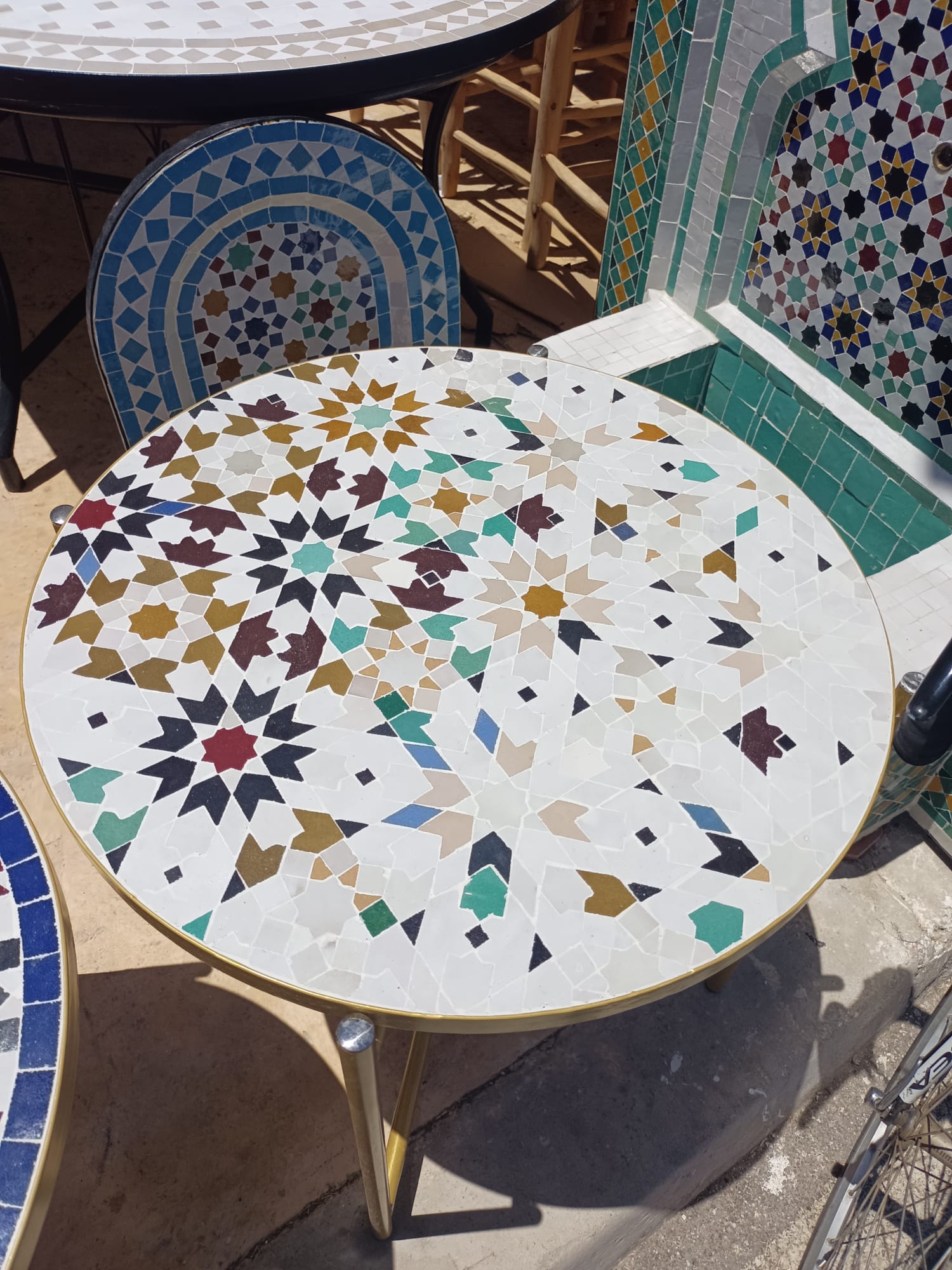
Two materials may look alike. Only one carries a living signature.
As Moroccan aesthetics gained global visibility, industrial products began replicating the visual codes of zellige. Unit prices may be lower and lead times shorter, yet architectural value is never measured by short-term convenience alone. It is measured by material integrity, longevity, and cultural depth.
Material quality is the first true divider
Authentic zellige is handcrafted from natural clay, then glazed and fired through an artisan-led process. Every piece carries refined variation in tone and texture. Industrial tile is designed for uniformity, eliminating precisely what gives zellige its character: depth, nuance, and a dynamic response to light.
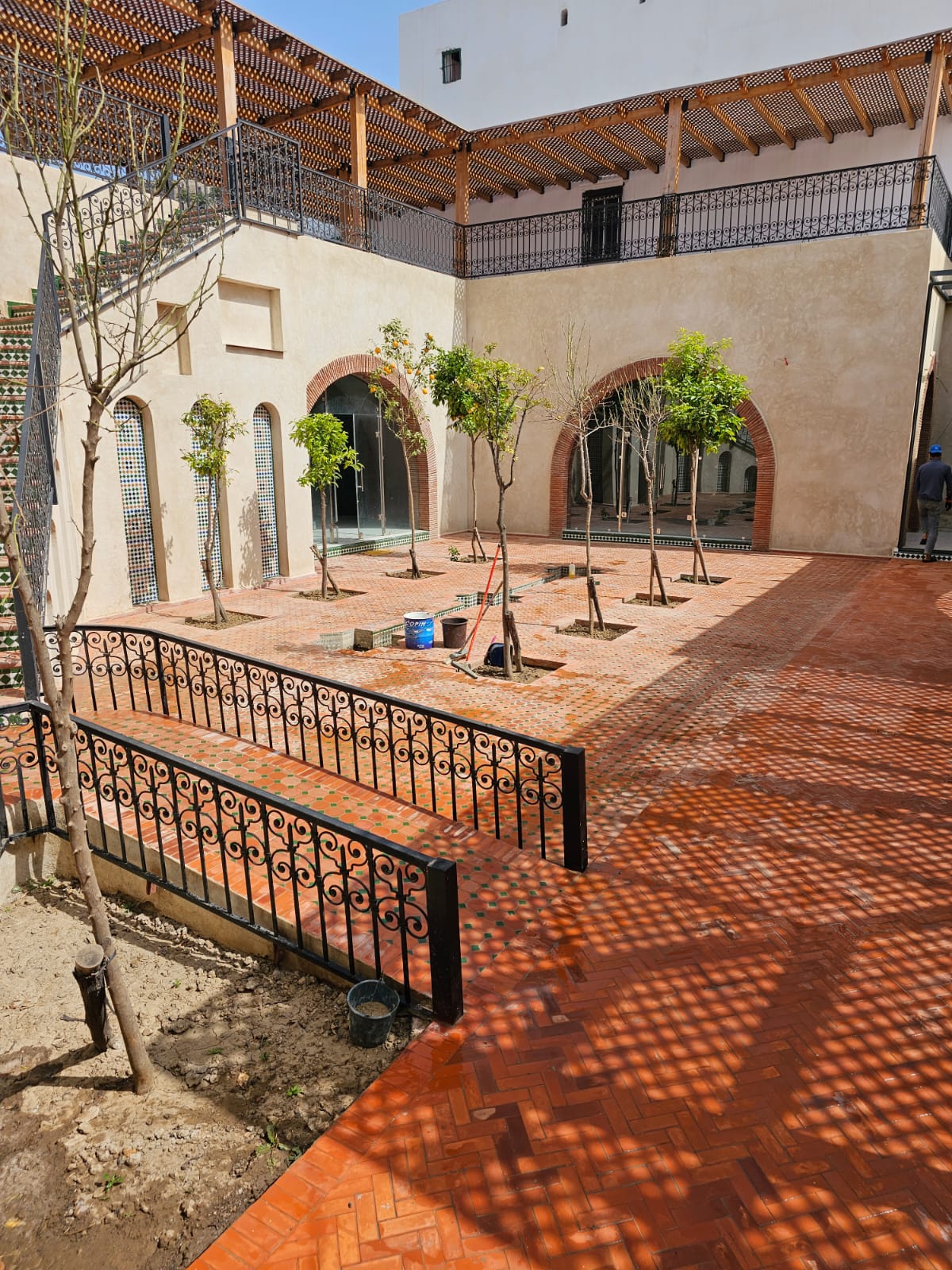
Why controlled irregularity is a premium attribute
In high-end architecture, controlled irregularity is not a flaw but evidence of craftsmanship. Handmade zellige creates a living surface that shifts with daylight and movement. Industrial surfaces remain optically flat and static.
What artisanal zellige offers
- Natural chromatic variation
- Hand-cut geometry with real depth
- Better emotional and architectural presence
- Long-term value for premium projects
Durability and lifecycle economics
Historic zellige installed centuries ago remains both functional and visually compelling. Its service life makes strong economic sense over time, especially in hospitality, public architecture, and premium residential projects. Industrial alternatives often require renewal much earlier.
Need a strategic material decision for your project?
TRAVTAZI helps you define the right zellige specification for your technical constraints and design ambition.
Architectural value and market perception
Authentic handmade zellige elevates how a property is perceived. In luxury hospitality and heritage-driven residences, this often translates into stronger brand positioning and greater long-term asset value.
“If you compare by unit price alone, industrial appears cheaper. If you compare quality over time, artisanal always leads.”
— Abdelhafid Aït Touil